I often hear opinions that Estonia, as a small country, cannot do anything to slow down climate change. Besides, there are so few Estonians that even if the entire country reduced its greenhouse gas emissions to zero, its global impact would still be negligible. Is it really so? Statistics say that China and the USA … Continue reading Could Estonia focus on the carbon handprint?
Tag: Estonia
Saastekvootidega kauplemine muudab laevandust
Euroopa Liidu kasvuhoonegaaside heitkogustega kauplemine laieneb ka laevandusele. 2024. aastal peavad laevafirmad ostma kvoote 40 protsendi ulatuses oma heitkogustest ja 2027. aastal juba sada protsenti. Mida see tähendab ja endaga kaasa toob? Näiteks Soomes tehti 2022. aastal arvestus, et saastekvootidega kauplemise kulud jäävad poole miljardi euro kanti, mis on vaid pool protsenti kogu Soome väliskaubanduse … Continue reading Saastekvootidega kauplemine muudab laevandust
Emissions trading is changing shipping
The trading of greenhouse gas emissions in the European Union now extends to shipping. In 2024, shipping companies must buy allowances for 40 percent of their emissions, and in 2027, already one hundred percent. What does it mean? For example, in Finland, it was calculated in 2022 that the costs of trading emission allowances will … Continue reading Emissions trading is changing shipping
Estonian maritime transport: Importance of Russian transit is decreasing
For decades cargoes handled in Estonian ports have been mainly Russian transit traffic. The situation is changing. In 2022 Russian transit traffic was only about 44 per cent of Estonian sea traffic, while Finnish traffic (trade plus transit) was already 26 per cent of volumes. In summary, Finland is not yet as big maritime partner … Continue reading Estonian maritime transport: Importance of Russian transit is decreasing
Competitiveness of a maritime cluster
The number of successful companies in a maritime cluster can be considered as a measure of competitiveness of a regional maritime cluster. In order for these companies to settle and also stay in the area, the area must also be attractive, i.e. it must offer resources such as capital, labor, skills and subcontracting opportunities, and … Continue reading Competitiveness of a maritime cluster
Soome ja Eesti merendusklastreid tuleks arendada koostöös
Keskkonnasõbraliku meretranspordi arengu toetamiseks on vaja Eesti ja Soome vahelisel laevaliiklusel rakendada ühtseid majanduslikke stiimuleid. Nii Soomes kui ka Eestis on väike, kuid elav ja riiklikult oluline merendusklaster. Üldjoontes on need küll erinevad, kuid toetavad üksteist oskuste, tööjõu ja arendusprojektide kaudu. Paljud Eesti meremehed töötavad Soome laevadel ja vastupidi. Soome laevatehastes pakuvad sageli tööd Eesti … Continue reading Soome ja Eesti merendusklastreid tuleks arendada koostöös
A perspective on organisational culture in relation to the sinking of the Estonia
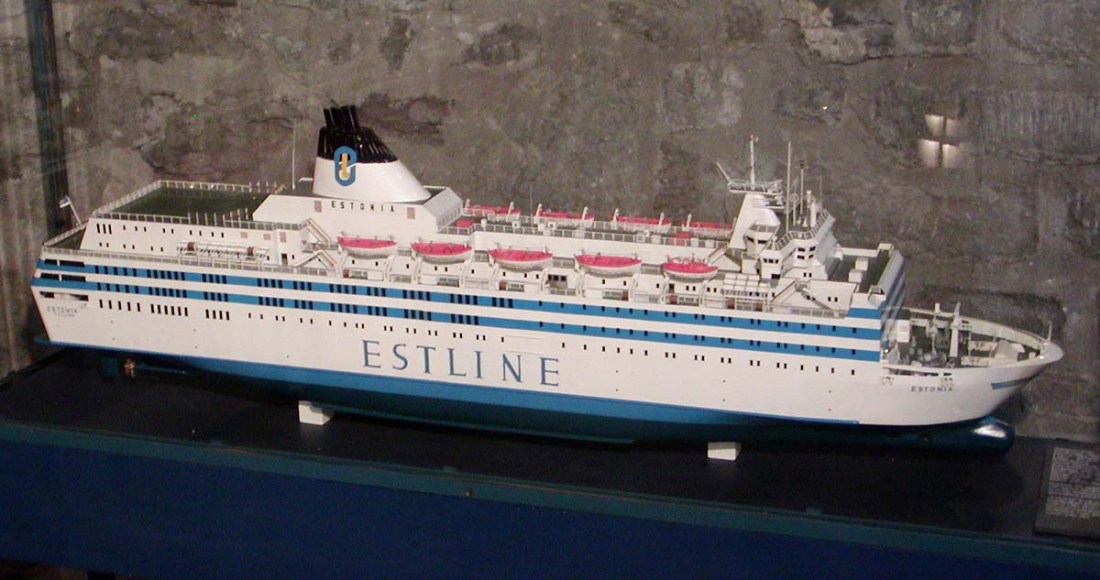
In May 2007, Hannu Hänninen, Doctor of Economics, defended his dissertation on the sinking of the Estonia. According to his dissertation, this was a so-called systemic failure, meaning that it was due to the operating culture of the maritime transport industry at that time. No individual fault or person can be blamed for the accident. … Continue reading A perspective on organisational culture in relation to the sinking of the Estonia
Organisaatiokulttuurin näkökulma Estonian uppoamiseen
Kauppatieteiden tohtori Hannu Hänninen väitteli toukokuussa 2007 Estonian uppoamisesta. Hannu Hännisen väitöksen mukaan kyseessä oli niin sanottu systeeminen onnettomuus, eli se johtui silloisista meriliikennealan toimintatavoista. Onnettomuudesta ei voi syyttää yksittäistä virhettä tai henkilöä. Matkustajalautta Estonia upposi aikaisin aamulla 28 syyskuuta 1994, kun sen keulavisiiri irtosi ja merivesi pääsi vapaasti autokannelle upottaen laivan puolessa tunnissa. Laivalla … Continue reading Organisaatiokulttuurin näkökulma Estonian uppoamiseen