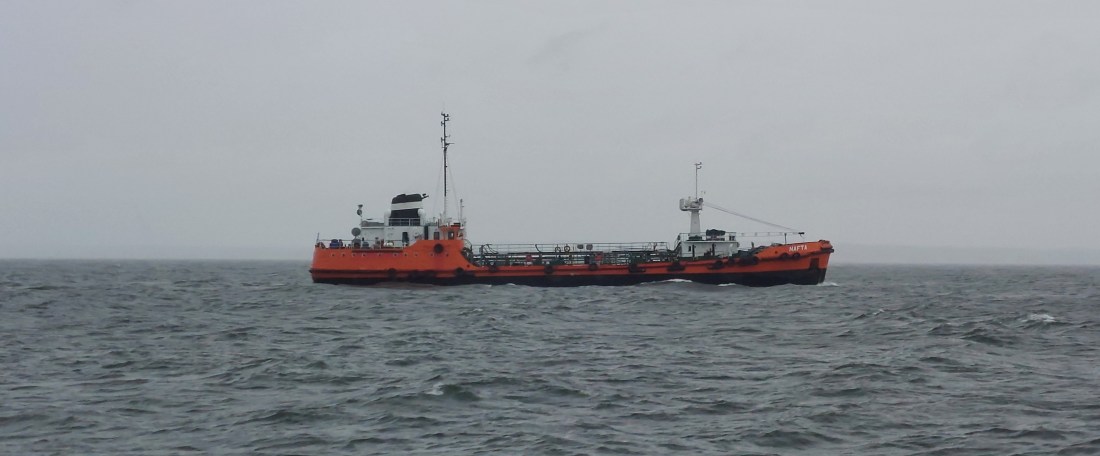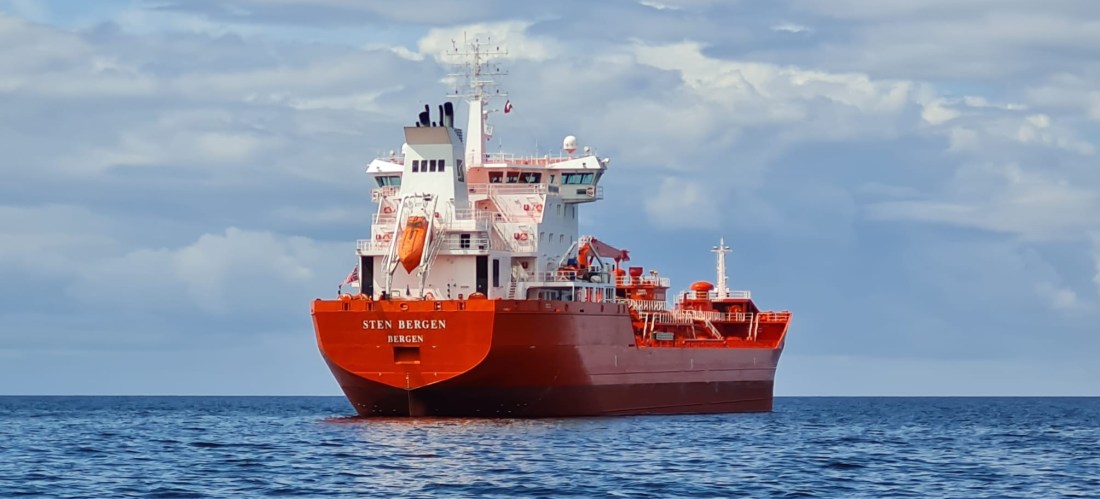
The one that controls the world's maritime transport flows controls the world. For hundreds of years this phrase has guided Columbus, the East India Company as well as Donald Trump. Almost every day we read about the tariffs imposed by Trump, the Russian shadow fleet, or the crises in the Strait of Hormuz, all of … Continue reading When geopolitical risks increase, the world reduces its dependence on oil
Category: In English
A competitive maritime cluster is the best security of supply
- What can we learn from the United States and Ukraine? Finland's foreign trade is completely dependent on its maritime transport. Although the share of services in our foreign trade is constantly increasing, almost all of our foreign trade goods travel by sea. However, the maritime operating environment is not stable. The COVID-19 pandemic, the … Continue reading A competitive maritime cluster is the best security of supply
Can strict regulations and international competition boost shipping industry?
Restrictions increase research and development while strengthening the competitiveness of maritime cluster. In our recently published study, we showed that the strict targets set by the International Maritime Organization (IMO) to reduce emissions in Particularly Sensitive Sea Areas and Emission Control Areas (PSSA and ECA) have increased scientific research on shipping in these areas – … Continue reading Can strict regulations and international competition boost shipping industry?
The International Court of Justice (ICJ) Just Changed the Rules of the Game for Shipping
Written together with Ph.D Deniece Melissa Aiken The climate is changing. And now, the rules have too. On July 23, 2025, the International Court of Justice (ICJ) issued a groundbreaking advisory opinion declaring that countries are legally obligated to take serious action on climate change. The ICJ didn’t just deliver an opinion. It handed the … Continue reading The International Court of Justice (ICJ) Just Changed the Rules of the Game for Shipping
How to know passenger’s share of a ferry’s CO2 emissions? part II
As a rule of thumb, it can be said that the greenhouse gas emissions of passenger-car ferries are about half of the emissions of flying. However, the figures vary significantly, depending on how the shipping company divides the emissions between passengers and cargo. When a ship carries both cargo and passengers at the same time, … Continue reading How to know passenger’s share of a ferry’s CO2 emissions? part II
Why is the shipping industry a frontrunner in the green transition?
Recently, concerns have been raised on several occasions that the Green transition has been – if not cancelled – at least postponed. The UN climate conference in the spring was a disappointment for many. The United States has announced that it will withdraw from the Paris climate agreement. Finland has also reduced its obligation to … Continue reading Why is the shipping industry a frontrunner in the green transition?
Cities must make room for new businesses
Remote working, online shopping and the economic recession are challenging the competitiveness of cities. Cities need a strong business policy. Sometimes, a city's business policy might have been enough to designate an area in a plan that said "business district" and then hope that companies would come there. Today, competition is fierce, and cities must … Continue reading Cities must make room for new businesses
The Ukrainian war as a lesson for maritime transport
Although the risk of war in the Baltic Sea region is small, it is worth taking a lesson from Ukraine: diverse solutions help to keep supply chains working even in the crisis situations. The probability of a war in the Baltic Sea is low, but we should still prepare ourselves. Ukraine’s maritime traffic is very … Continue reading The Ukrainian war as a lesson for maritime transport