The Finnish economy is highly dependent on world trade. Due to country’s geographical location, maritime transport is the most significant form of transport – especially now that trade with Russia has decreased significantly.
Finland’s foreign trade in 2025 was 233 billion euros, of which almost exactly half were imports and half were exports. Of these exports and imports, a third are services. The most significant services are ICT services, business services such as planning and consulting, as well as information technology services, and transport services. Service imports also include tourism.
When looking at the total foreign trade by value (€), maritime transport takes care of about half of both exports and imports, and the share of other forms of transport is significantly smaller. Air transport accounts for 8 percent.
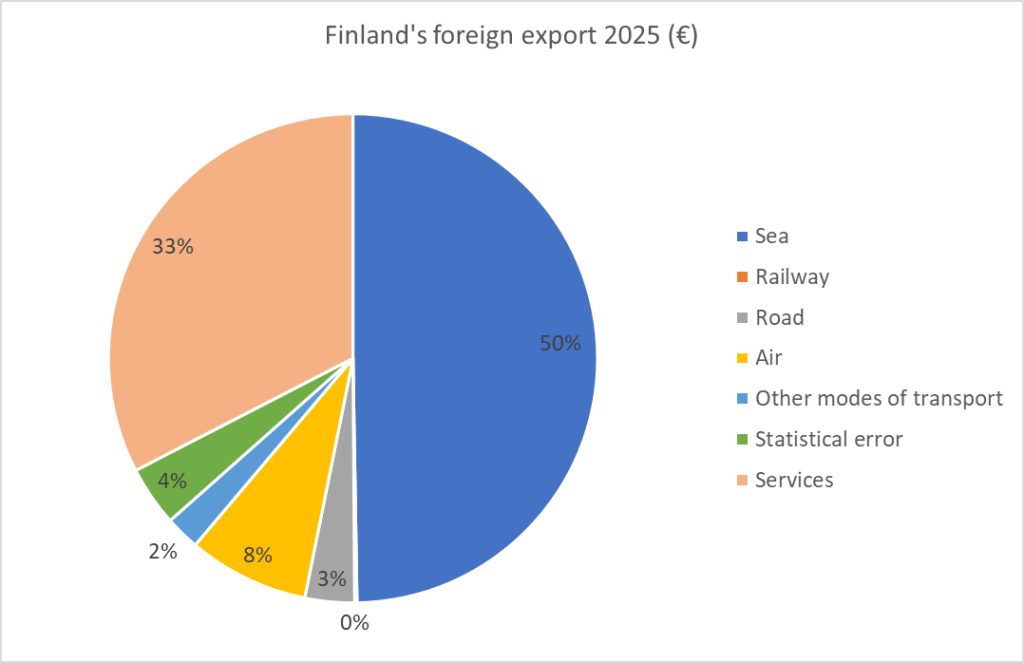
Figure 1. Finnish exports by different modes of transport (Source: Statistics Finland and Customs, 2026). Others include, for example, electricity and independently operated ships sold, and the statistical difference indicates the difference in cash flows and goods flows in different statistics.
Finnish exports and imports by sea have now increased slightly from last year due to the increase in exports (both exports and imports 45 million tonnes). However, in total they still remain below the 2022 level.
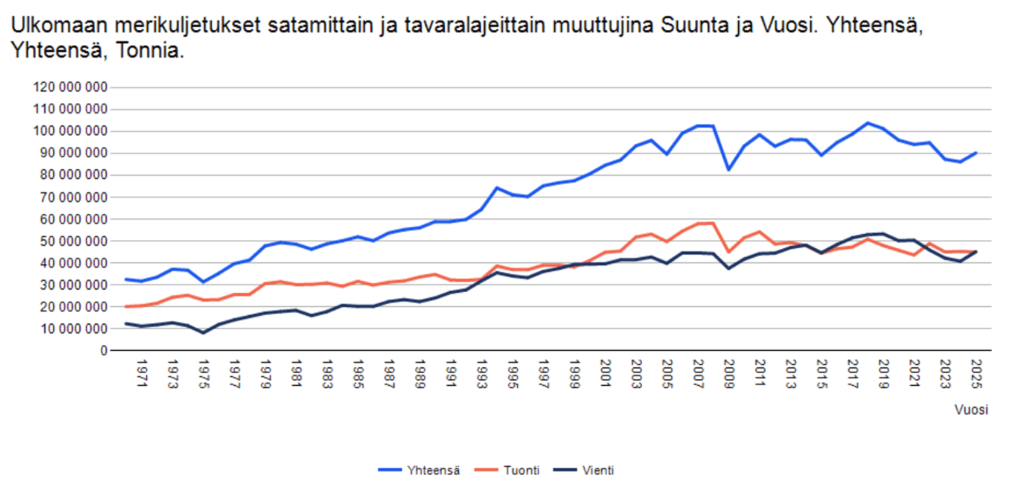
Figure 2. Development of Finnish foreign trade by sea 1970-2025 (tonnes). Source: Statistics Finland 2026.
About 10 percent of this foreign trade by sea was trucks, 7 percent was bulk carriers, 12 percent was containers and 71 percent was solid and liquid bulk cargo.
Imports of consumer goods and exports of higher-value goods usually travel in units such as containers, trucks or containers. Of these, containers usually come from outside Europe, such as China, trailers directly from Germany and trucks either from Sweden or Estonia. In contrast, raw materials such as oil, grain, ores, fertilizers travel in bulk or tanker ships, i.e. usually on the same ship for the entire journey, and thus move all over the world.
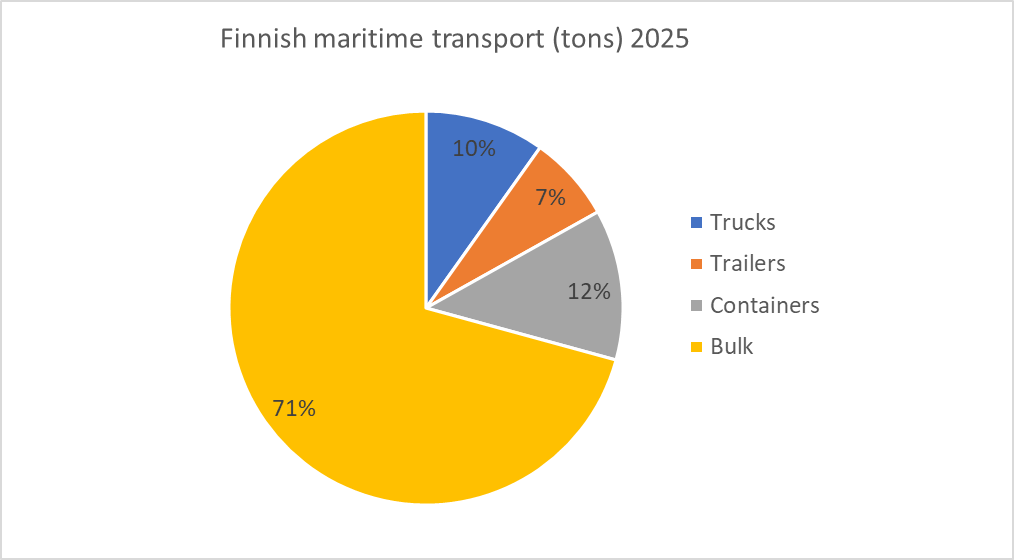
Figure 3. Finnish maritime transport modes 2025. Source: Statistics Finland, 2026
The size of Finnish ports can be measured in many ways. Measured by cargo value, Helsinki is the largest port in Finland, and most of the more expensive unit goods pass through it. Measured by cargo volume, Sköldvik is in a class of its own, followed by Helsinki and then HaminaKotka.
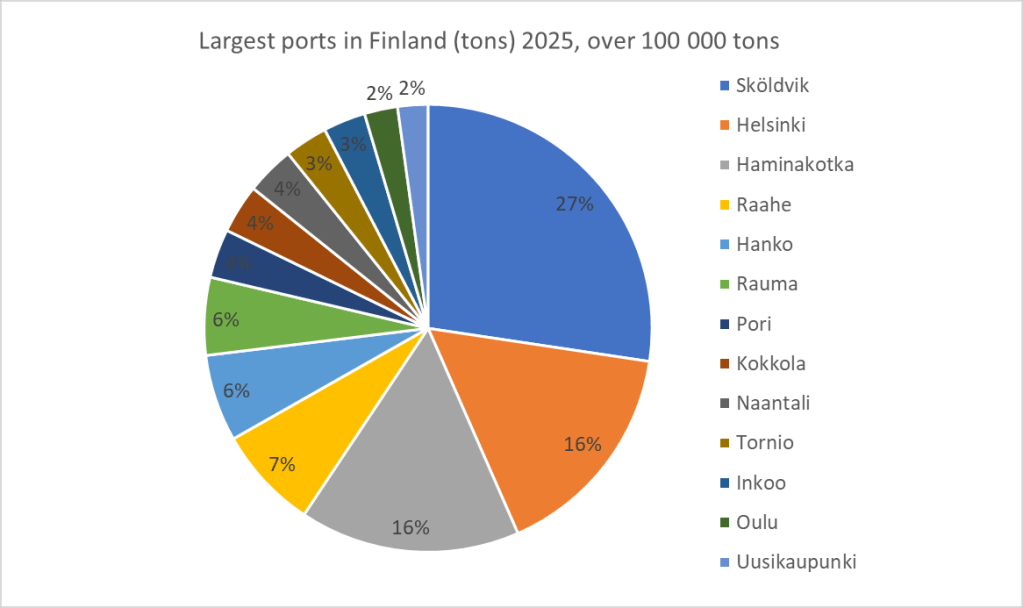
Figure 4. Finland’s largest ports measured by cargo volume. Source: Statistics Finland, 2026
The most valuable cargo is transported by trucks and lorries across the sea. They are practically only loaded from Helsinki, Naantali, Turku and Vaasa. Some of these routes are operated by passenger car ferries and some by ro-ro vessels without passengers. Traffic between Helsinki and Tallinn is overwhelming in this transport sector, almost two-thirds of heavy traffic enters Finland via Vuosaari or the West Port. The ports of Turku and Naantali are also significant routes for truck traffic.
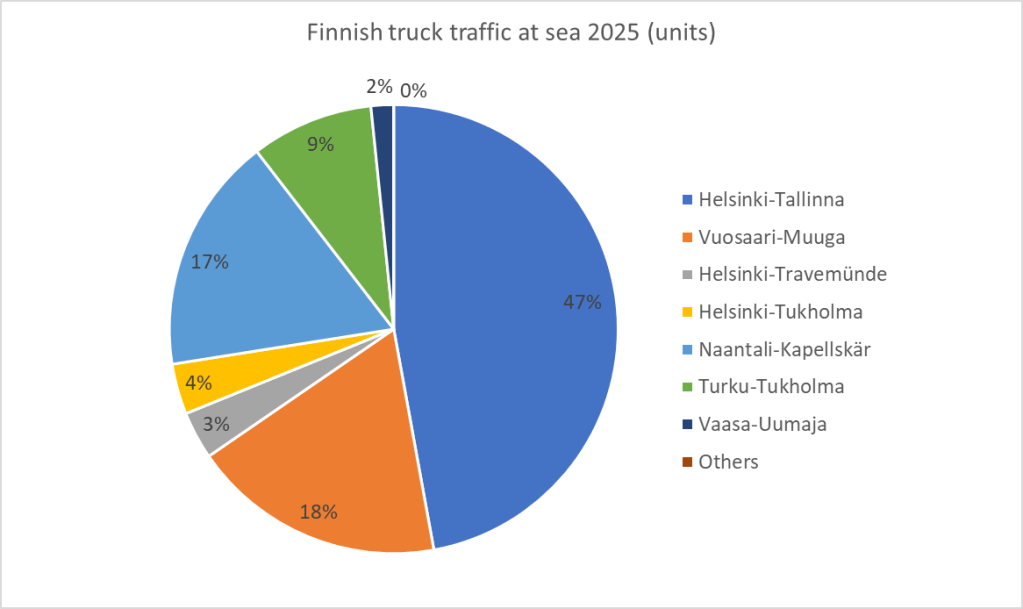
Figure 5. Truck traffic by sea between Finland and foreign countries by port pair. Numbers of less than 10,000 vehicles have been excluded from the statistics. Source: Traficom.
In 2025, approximately one million trucks crossed the borders of Finland. Figure 6 shows the share of land borders in truck traffic crossing the borders in 2025. The share of traffic in Northern Lapland is significant. The following border crossings have been combined in the figure: Kilpisjärvi, Aavasaksa, Kivilompolo, Karesuvanto, Kolari, Näätämö, Karigasniemi, Pello, Utsjoki, Nuorgam and Muonio.
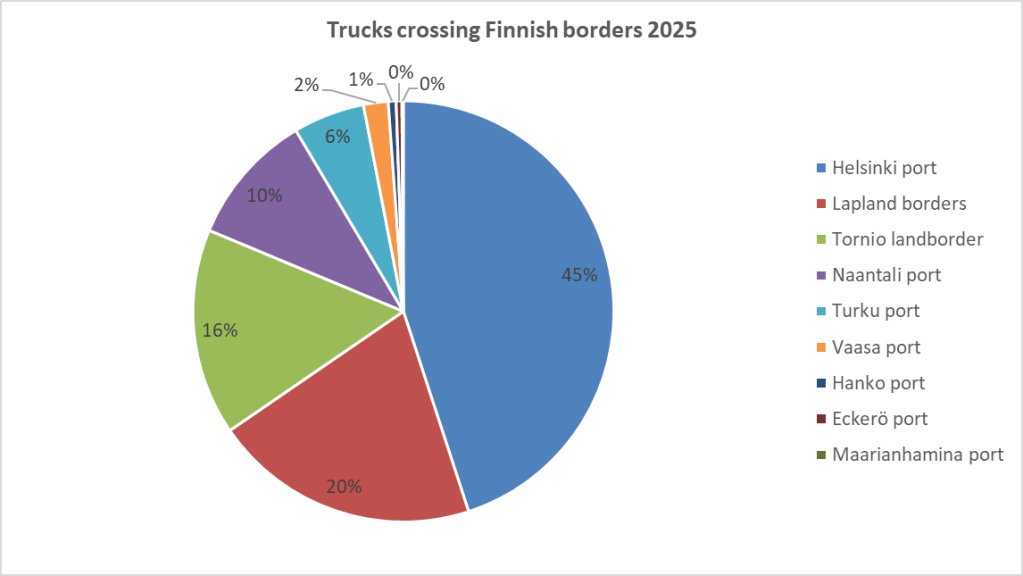
Figure 6. Finnish truck traffic across borders (Source: Customs, 2026)
The volumes of traffic to Estonia are not yet on the growth path they were before the pandemic. Passenger numbers have not yet recovered and the traffic volumes for truck traffic have remained stable.
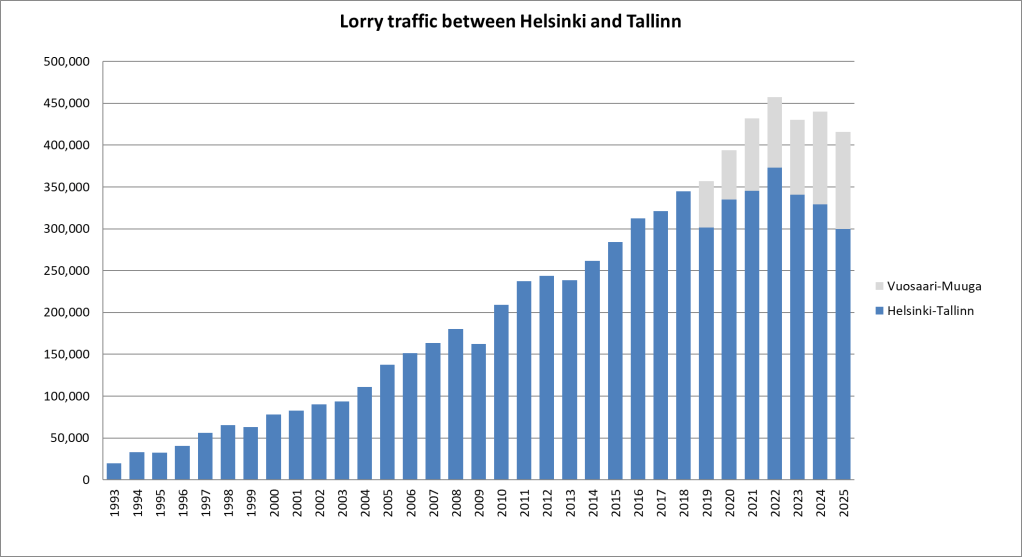
Figure 7. Truck traffic between Helsinki and Tallinn 1993-2025. There was already ro-ro traffic from Vuosaari to Estonia as early as 2015, but Traficom statistics only distinguished them from 2019. Source: Traficom and its predecessors.
However, the overall growth of traffic to Estonia in recent decades has been astonishing. The traffic is fast and has a high frequency, which helps transport companies to get an efficient turnover of their fleet and thus a lot of revenue. The traffic on the line is divided into “twin city” traffic between Helsinki and Tallinn, traffic between Finland and Estonia, and transit, where trucks travel between Finland and Central Europe.
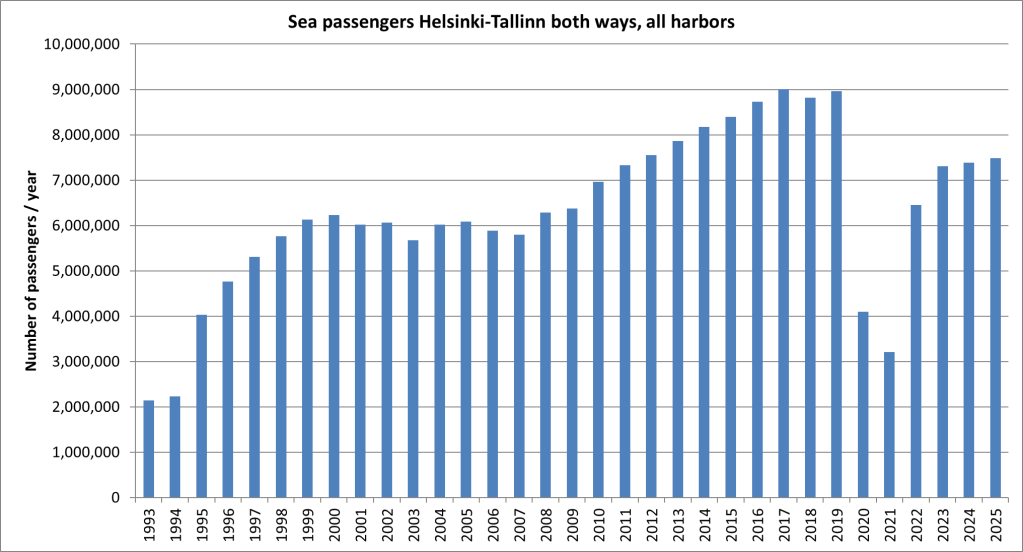
Figure 8. Passenger traffic between Helsinki and Tallinn 1993-2025 (Source: Traficom and its predecessors)
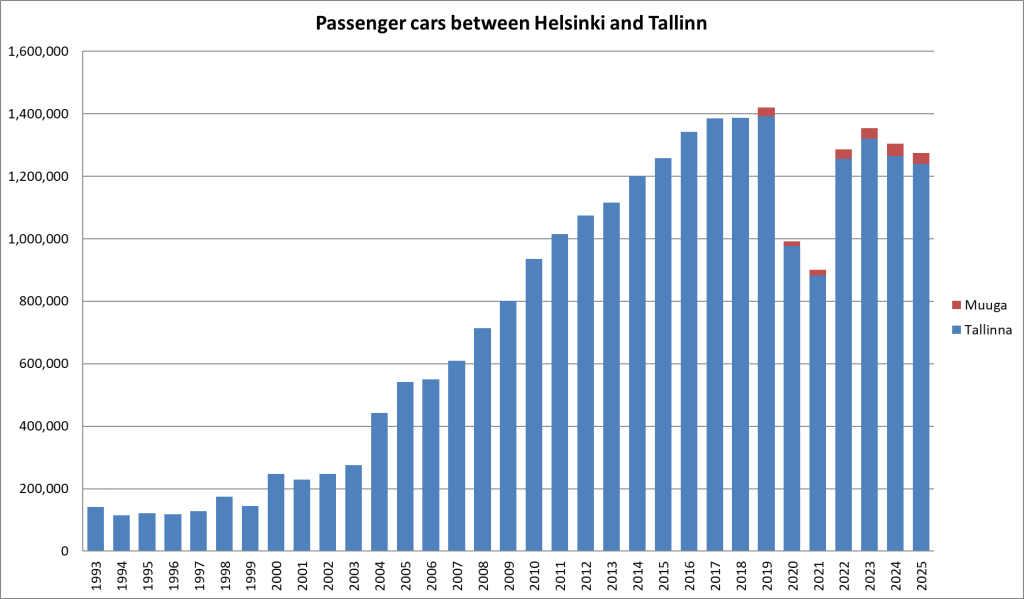
Figure 9. Passenger car traffic between Helsinki and Tallinn 1993-2025 (Source: Traficom and its predecessors)

 Tales of Talsinki